Oslo Districts Guide – Neighbourhoods & City Areas
A Guide to Oslo’s Districts
Find your corner of the city
Welcome to Oslo – a city made up of distinctive neighbourhoods, each with its own character and atmosphere. Here, history and innovation sit side by side, and nature is never far away.
Join us on a tour of the city’s neighbourhoods and discover some of our favourites – you may even find your own along the way.
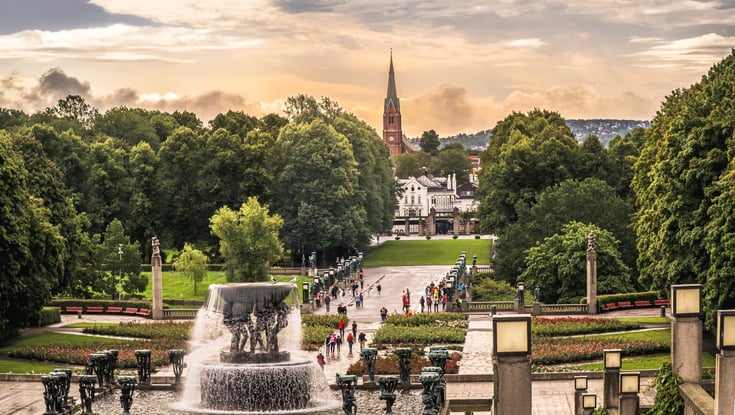
Frogner – for culture lovers
Frogner is known for its historic charm, elegant architecture and rich cultural life. Here you will find Vigeland Park with Gustav Vigeland’s impressive sculptures, Frogner Manor housing both the Vigeland Museum and the Oslo City Museum, as well as embassies and upmarket shopping along Bogstadveien. A neighbourhood defined by style and substance.
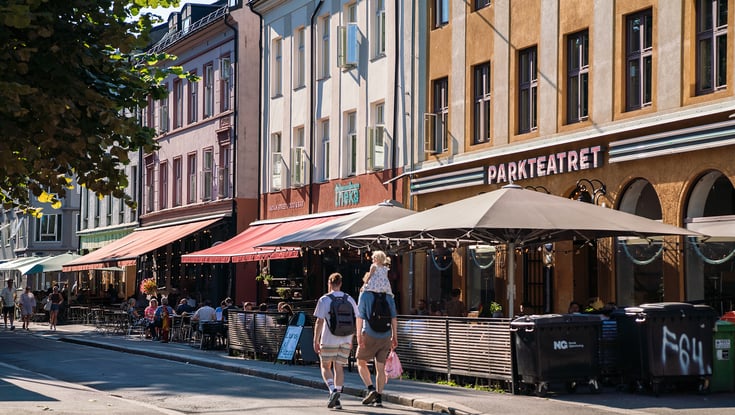
Grünerløkka – for the creative spirit
The Oslo Opera House is an architectural landmark and home to world-class opera and ballet performances. Visitors can walk up the sloping roof and enjoy panoramic views of the city and the fjord.
Right next door lies the Barcode, known for its slim high-rise buildings and striking contemporary architecture. Part of the Bjørvika district, this area represents modern Oslo, with a lively mix of offices, homes, shops and restaurants. A stroll through the Barcode offers a glimpse into the city’s ongoing transformation.
Address: Kirsten Flagstads Plass 1, 0150 Oslo, Norway
Perfect for: culture and architecture
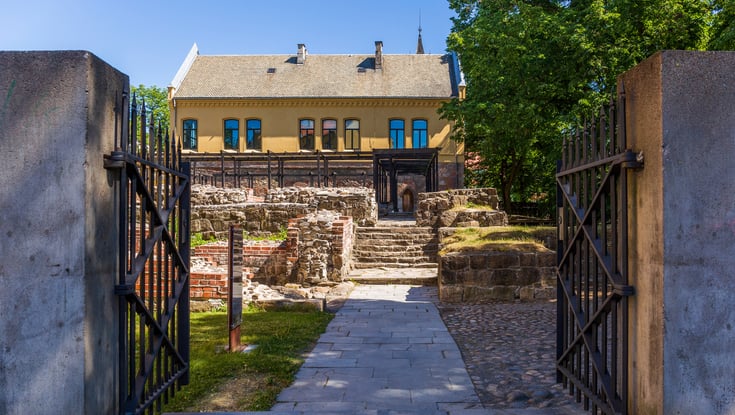
Gamle Oslo – for history enthusiasts
Gamle Oslo is the city’s oldest district, rich in character and history. Discover medieval churches, quiet streets and archaeological sites that tell the story of Oslo’s early beginnings. The area is also known for its cultural diversity and vibrant food scene, offering flavours from both Norway and around the world.
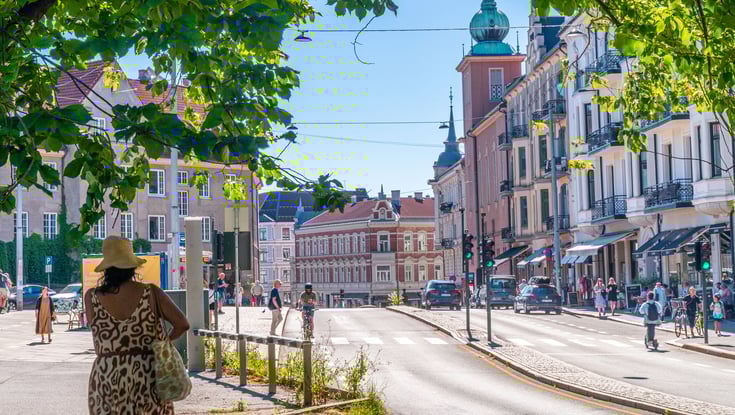
St. Hanshaugen – for a relaxed pace
St. Hanshaugen is centred around a large park and characterised by green spaces, ponds and sweeping views over the city. Calm residential streets blend with cosy cafés, small shops and art galleries, creating a laidback yet lively atmosphere. Ideal for those seeking a quieter side of Oslo.
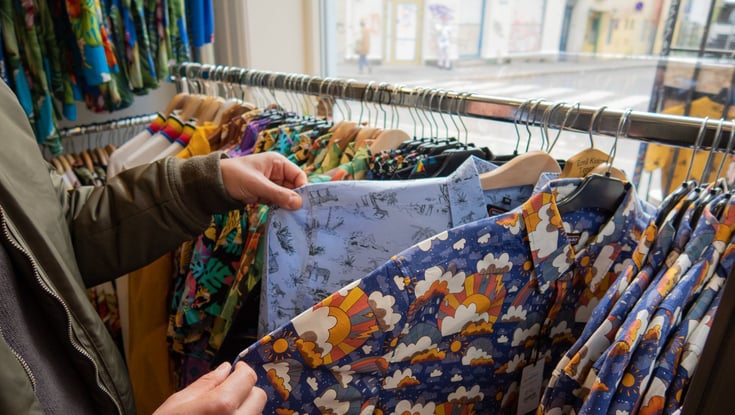
Majorstuen – for shopping enthusiasts
Majorstuen is one of Oslo’s key shopping areas, offering everything from high-street brands to exclusive designer brands, with excellent transport links from across the city. Nearby lies Vigeland Park, the world’s largest sculpture park created by a single artist, featuring more than 200 works and plenty of space for relaxation and play – a favourite with families.
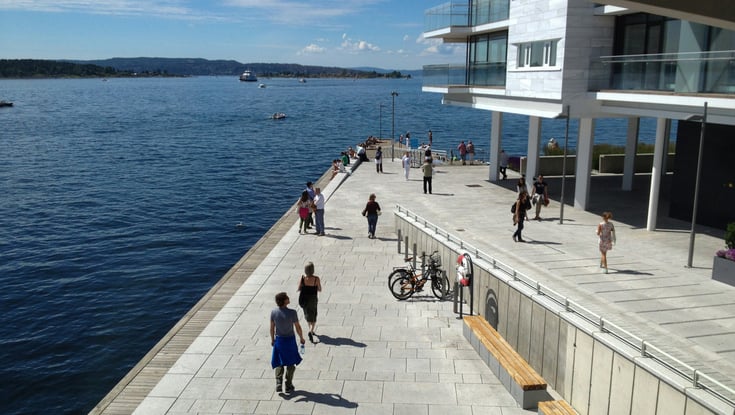
Aker Brygge and Tjuvholmen – for modern city life
Once a working harbour, Aker Brygge is now one of Oslo’s most vibrant destinations, combining striking architecture with restaurants, cafés and bars overlooking the Oslofjord. Tjuvholmen continues the contemporary feel with the Astrup Fearnley Museum, luxury residences and galleries – one of the city’s most sought-after areas.
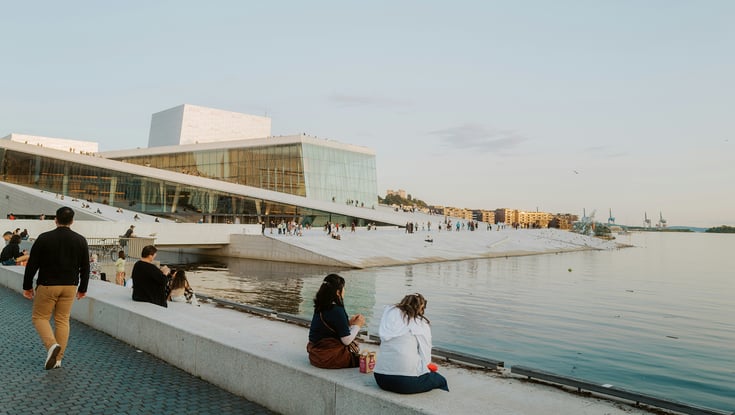
Bjørvika – for the avant-garde
Bjørvika has transformed from an industrial port into a cultural hotspot with a striking skyline. The Oslo Opera House draws visitors with its iceberg-inspired architecture and walkable roof, while the Munch Museum showcases both classic and contemporary art. The Barcode district adds modern offices, homes and cafés to the area.
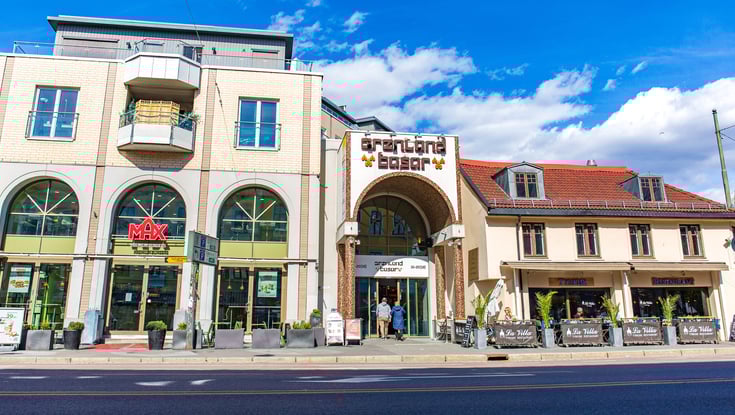
Grønland – for the adventurous
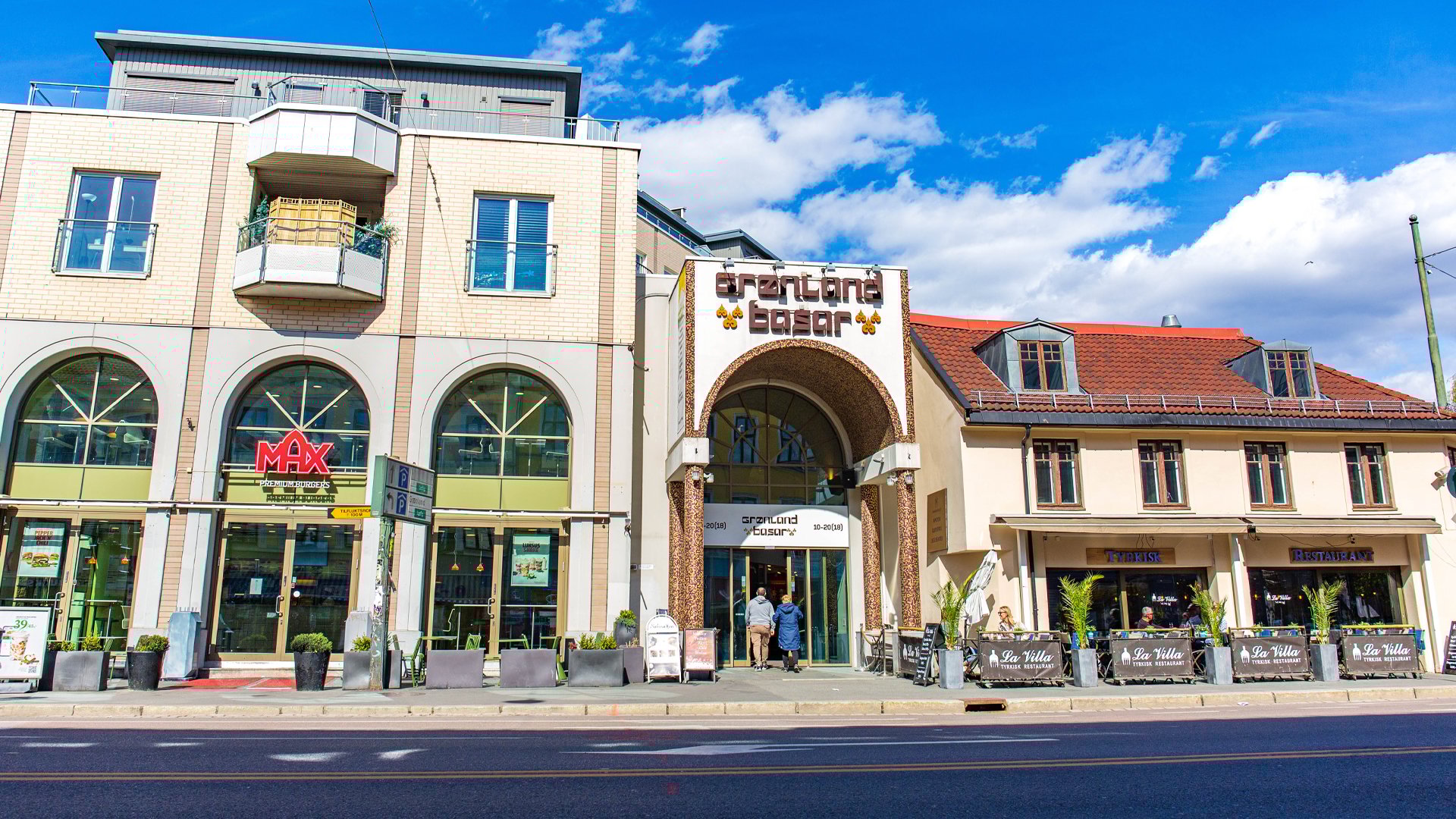
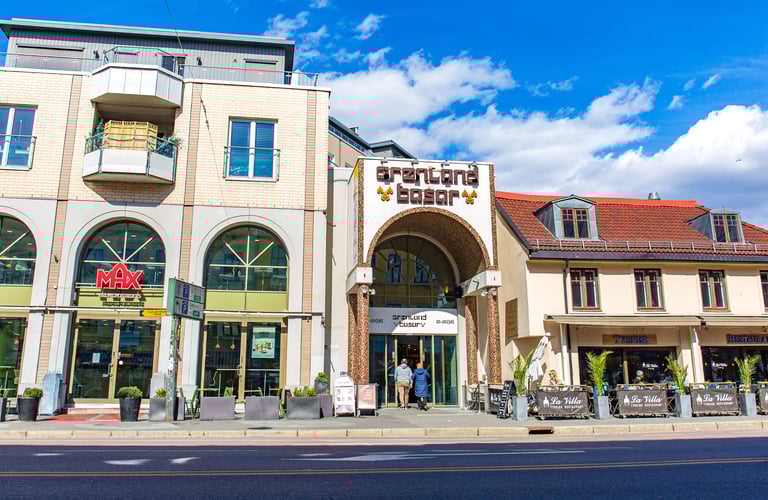
Grønland is a lively and diverse neighbourhood where traditional Norwegian shops meet international markets and eateries. The Intercultural Museum highlights the area’s multicultural identity, while Grønland Bazaar offers fresh produce and crafts. By night, bars and clubs open their doors, and local festivals celebrate the district’s rich cultural mix.
Torshov – for a homely feel
Located north of the city centre, Torshov is a peaceful neighbourhood with a blend of old and new architecture. It is home to welcoming parks, cafés and shops that attract families and creative communities alike. The area is known for Torshov Theatre and a vibrant local arts scene, while green spaces such as Torshov Park and the Akerselva provide easy access to nature close to the city.